
One Health in Action: How Treating Animals Protects People
In 2024, IVO sponsored a Tribhuvan University veterinary student's research study. As part of that research, a survey conducted in Nepal's Manang-Chame corridor turned up two very different findings. Rabies awareness was high (86%). Awareness of other zoonoses like brucellosis was far lower, and nearly 12% of farmers still drank unpasteurized milk, a common transmission route.
That gap says something important: awareness of one disease doesn't protect you from all the others. It's exactly the kind of gap that IVO's 2024-25 programming — from Nepal to Kenya to Tanzania to Martinez, CA, and Warm Springs, Oregon — was built to close.
This is the idea at the center of One Health: human health, animal health, and environmental health aren't separate problems. They're one system.
“Treat animals, and you're treating people. Not metaphorically. Literally,” says IVO Founder and CEO Eric Eisenman.
Nepal: Where Knowledge Gaps Hide in Plain Sight
A household survey of 85 families, conducted with Tribhuvan University, found strong rabies awareness but far weaker knowledge of less visible diseases like brucellosis and toxoplasmosis. The key insight: general education level predicted safer practices better than access to veterinary care did. Sustained education, not just clinical visits, is what changes behavior long-term.
Kenya: When Livestock Health Determines Coexistence
Around Amboseli National Park, IVO and the Amboseli Trust for Elephants launched a One Health, One Welfare initiative to improve livestock health, strengthen veterinary services, and support coexistence between Maasai communities and wildlife. A survey across seven group ranches identified the barriers standing in the way: limited access to water, veterinary care, medicines, and vaccines.
Those findings are now guiding a multi-year strategy to expand veterinary services, build local capacity, and increase community education — work aimed at improving animal welfare, protecting endangered elephants, and supporting more resilient communities across the Amboseli landscape.
Tanzania: Vaccination as Frontline Public Health
In Mpwapwa, IVO delivered 182 free rabies vaccinations in a single clinic. Across the broader 2024 mission, teams administered 347 vaccines and trained 39 local vets, paravets, and students, building a public health corridor one animal at a time.
Warm Springs, Oregon: Care That Respects Culture and Land
IVO's Warm Springs Horse Herd Health and Welfare Program launched in 2025, reaching 77 horses with vaccinations, castrations, dental care, and more — while training 36 veterinary students in culturally responsive care alongside the Confederated Tribes of Warm Springs.
Martinez, California: Steady, High-Volume Impact
Not every One Health story starts overseas. IVO's spay/neuter clinic in partnership with Contra Costa Humane Society ran nearly year-round, altering, vaccinating, and treating 98 at-risk animals in 2024 and 110 in 2025 — while training over 100 veterinary students across both years.
The Common Thread
Unpasteurized milk in Nepal, grazing pressure in Kenya, unvaccinated dogs in Tanzania, under-resourced clinics in Martinez, working horses in Warm Springs — different symptoms of the same condition: animal health systems that need more support. IVO's answer is clinical care paired with local capacity-building, one community at a time.
Still Going Strong in 2026
These numbers reflect 2024-25, but IVO's momentum hasn't slowed. We're midway through 2026, and the work continues: new clinics, new students trained, new communities reached. The mission stays the same. Treat animals, and you're treating people.
Donate today to help animals and communities thrive.
Learn more about IVO’s programs.
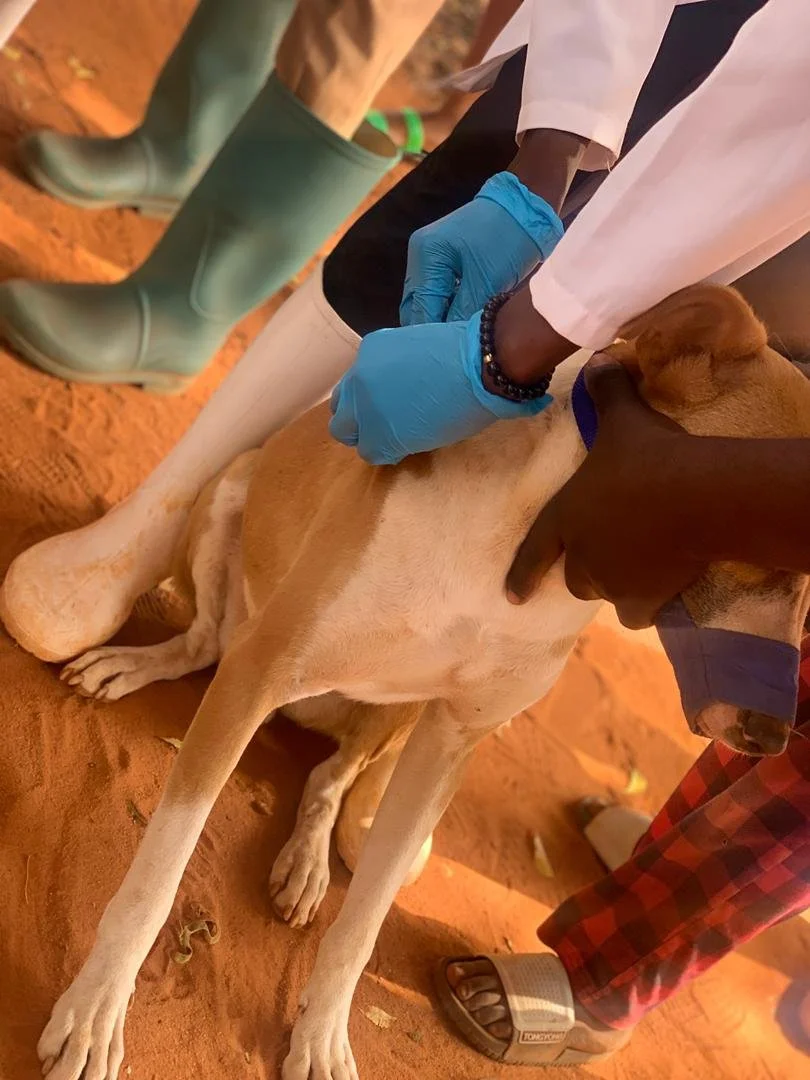
In June 2025, IVO partnered with Animal Smile Africa and Visele Livecrop Skills Training Centre on a multiday wellness clinic in Mpwapwa, providing 182 free rabies vaccinations and neutering five dogs — a first step toward humane population control in a region where it's not yet common practice. Fifteen Visele students gained hands-on training.
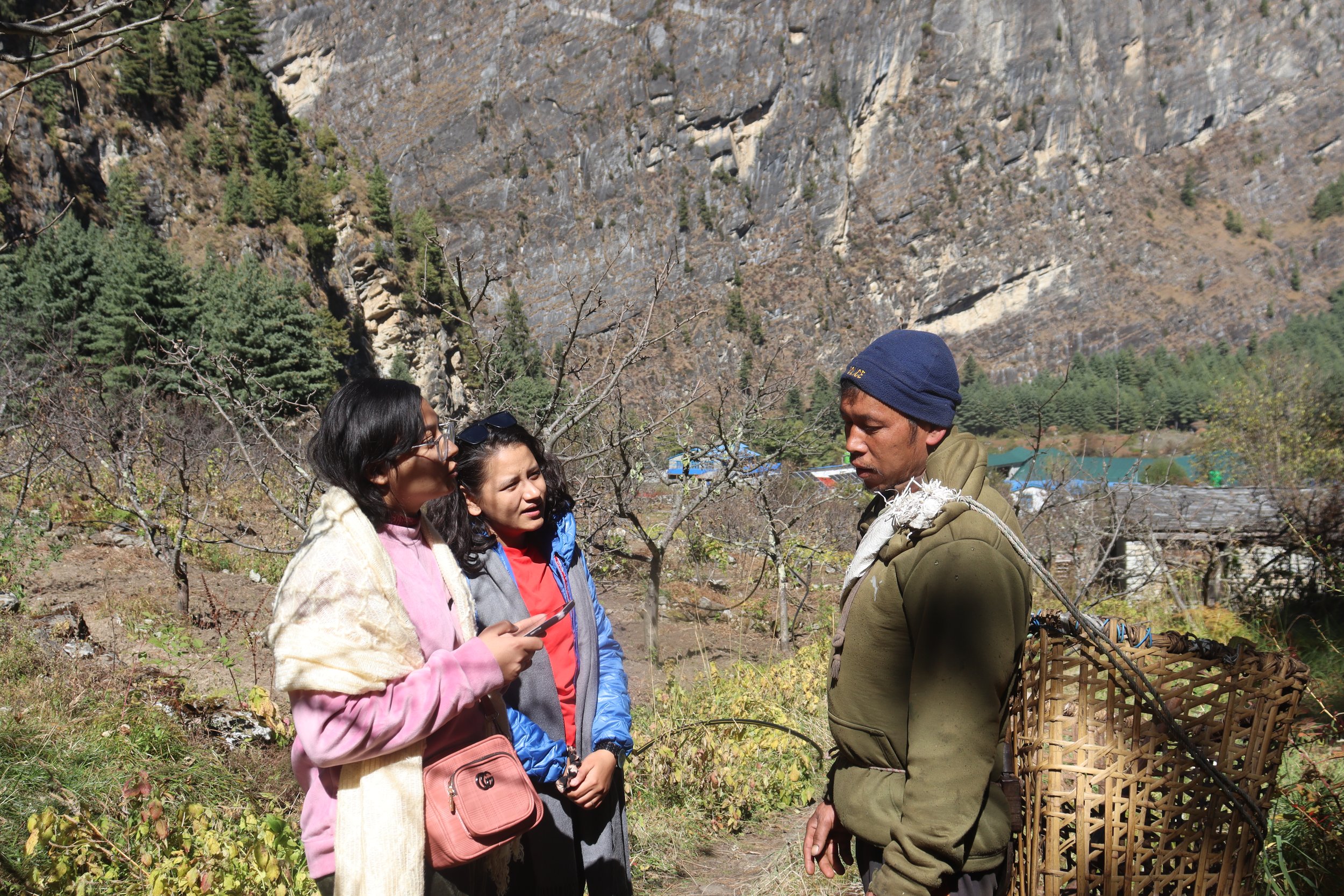
In 2024, IVO sponsored a Tribhuvan University veterinary student's research study in Nepal. These findings will help shape targeted, education-focused interventions in the next phase of programming.
