
Beyond the Clinic: How Veterinarians Build Healthier Communities
When people hear the word “veterinarian”, they often imagine a doctor who treats family pets — dogs, cats, and other beloved companions. While that’s an essential part of what veterinarians do, their work extends far beyond the clinic walls. Around the world, veterinarians are at the heart of community health, livelihoods, and sustainable development.
“At International Veterinary Outreach (IVO), we see every day that when animals thrive, communities do too,” says IVO Founder and CEO Dr. Eric Eisenman. “Our role isn’t just to treat sick animals, but to help build systems of care that last.”
At IVO, we believe healthy animals and strong communities go hand in hand. IVO’s teams work alongside local partners to bring veterinary care, education, and resources to economically disadvantaged communities. IVO’s mission isn’t only about treating individual animals, it’s about creating long-term solutions that improve the well-being of both animal populations and their communities.
In many low to middle income communities, working animals — such as horses and donkeys — are not just helpers. They’re economic lifelines. They transport goods, carry water, and support families’ daily survival, yet often lack access to basic veterinary care.
“When we care for a working horse, we’re also protecting a family’s income, a child’s education, and a community’s resilience,” explains IVO Equine Programs Director Dr. Kate Schoenhals.
Through hands-on clinical training programs, IVO veterinarians and local para-professionals treat injuries, manage nutrition and parasite control, and teach owners the skills they need to keep their animals healthier, longer. This focus on education is what makes IVO’s approach sustainable. To date, IVO has trained more than 930 veterinary students.
When veterinarians teach community members how to recognize early signs of illness, improve feeding practices, or fit harnesses properly, for example, they empower local caregivers to prevent suffering before it begins. Over time, that knowledge ripples outward, reducing the need for emergency care and strengthening the bond between humans and animals.
“Real change happens when local caregivers feel confident and equipped to care for their own animals,” adds Dr. Eisenman. “Our goal is to work ourselves out of a job by building local capacity, not dependency.”
Veterinarians are also key players in addressing broader health challenges. By preventing disease transmission between animals and people, improving food security, and supporting resilient ecosystems, they contribute directly to community stability through a One Health approach.
Veterinarians are more than animal doctors. They’re educators, advocates, and catalysts for change, partnering with communities to build a more equitable and sustainable future for all.
Learn more about IVO’s programs.
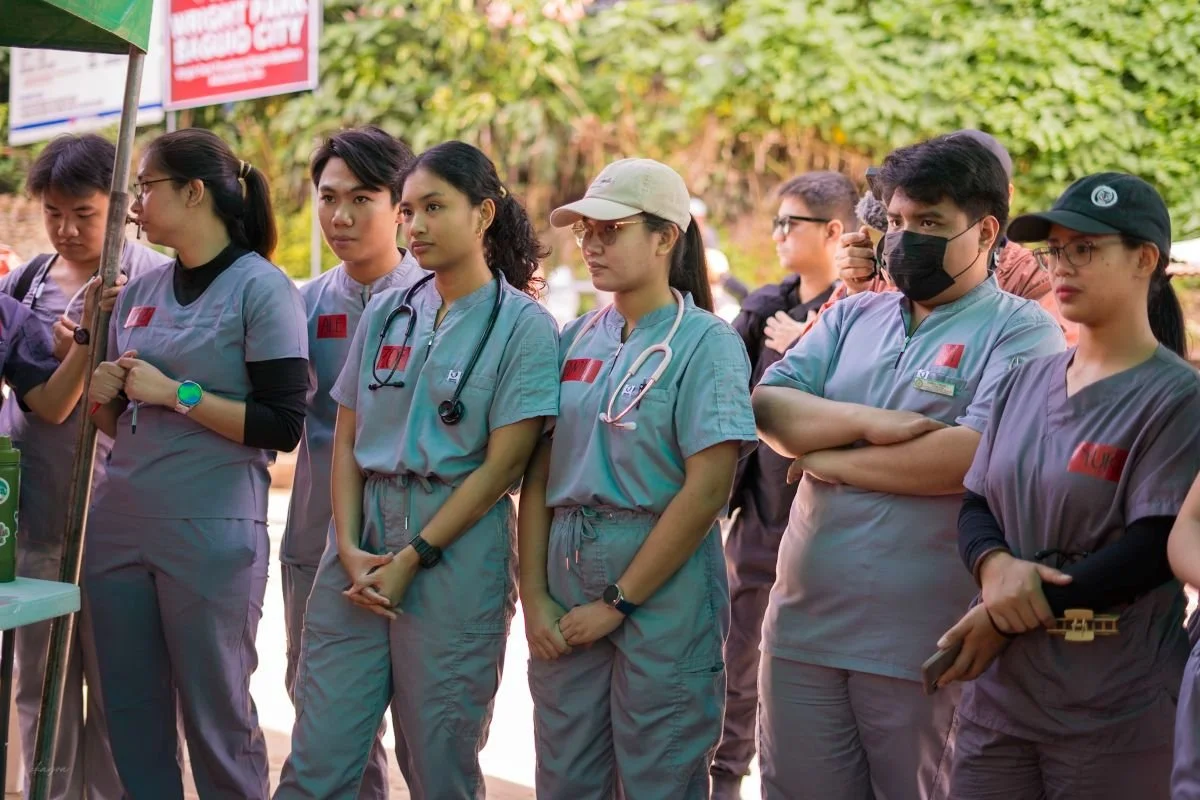
Hands-on training for veterinary students in the Philippines.
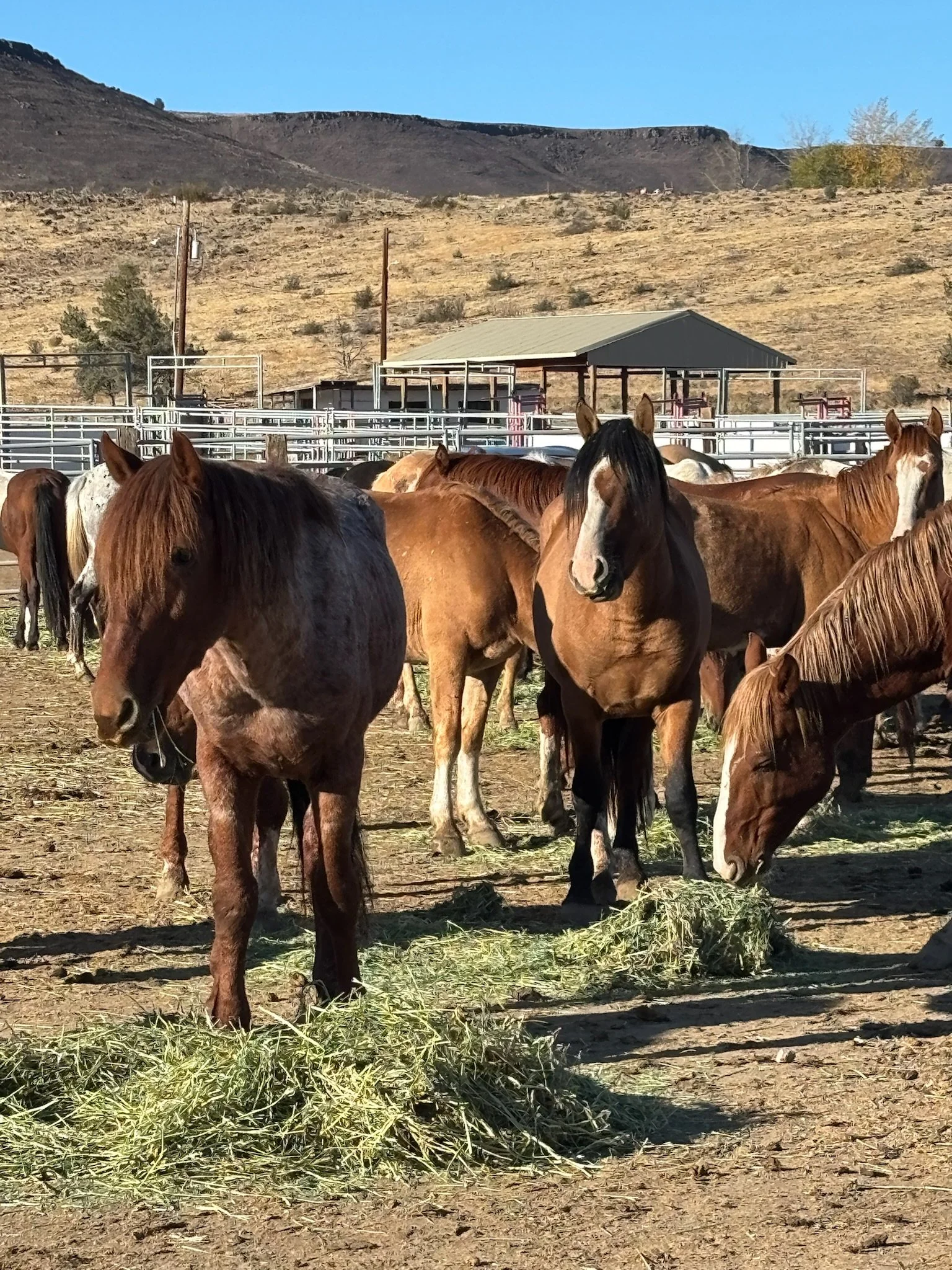
IVO regularly sends veterinary teams to the Warm Springs Reservation in Oregon for student seminars, castration clinics, and community wellness services.
